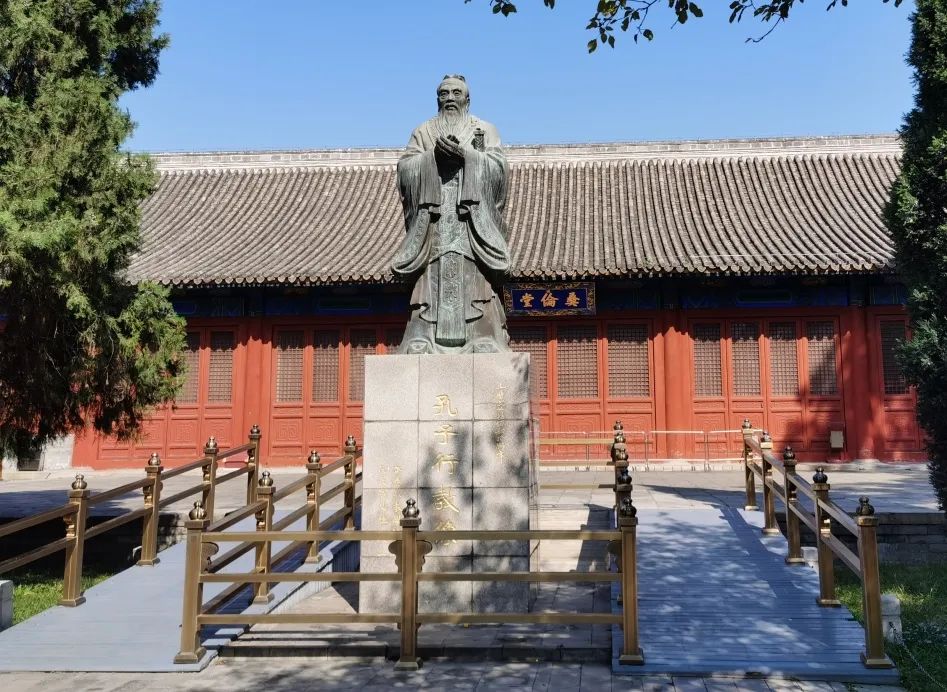
Confucian Temple
Introduction
Confucian Temples are structures dedicated to the memory of Confucius, the great Chinese philosopher and educator, whose teachings have had a profound influence on Chinese culture and beyond. These temples serve as places for worship, cultural preservation, and education in Confucian principles. They can be found throughout China and other parts of Asia where Confucianism has had an impact.
Historical Significance
Confucian Temples were established to propagate the teachings of Confucius and to serve as centers for Confucian studies. The temples often host ceremonies and events to commemorate Confucius and promote cultural heritage. Such activities include ritual practices and cultural festivals that include exhibitions and lectures focused on Chinese studies.
Architecture
The architecture of Confucian Temples is often grand and symbolic, reflecting the teachings and influence of Confucianism. For example, the Heilongjiang Ethnic Museum, originally a Confucian Temple completed in 1929, incorporates traditional Chinese architectural elements such as yellow glazed tile roofs and walls decorated with culturally significant patterns. These elements echo the architectural standards of the Qing Dynasty (1644-1911) and reflect the temple's historical significance in rejuvenating Chinese culture.
Cultural Influence
Confucian Temples are not only significant for their architectural beauty but also for their cultural and educational influence. They host rituals and events that reinforce Confucian values such as filial piety, loyalty, and respect. These events often draw visitors from around the world, including students and scholars who wish to explore the teachings of Confucius.
Preservation and Challenges
Preservation of Confucian Temples is a priority for cultural heritage organizations, as these sites are integral to maintaining the historical and cultural fabric of the regions they are located in. However, challenges such as urban development and the need for renovation pose threats to these temples. Efforts are being made to maintain their historical integrity while adapting to modern needs.
Global Reach
Confucian Temples have been built outside of China as well, in countries such as South Korea, Japan, and Vietnam, highlighting the global influence of Confucianism. These international sites demonstrate the widespread respect and admiration for Confucius and his teachings, which continue to be a guiding force in educational and cultural realms worldwide.








